
How it works.
Improve the way your fertility program reaches the crop—with a technology designed to work alongside the nutrients you already apply.
Better Nutrient Availability.
Phosphorus • Iron • Calcium • Micronutrients
The biomolecule interacts with nutrients in the soil solution, helping form highly available organo-mineral compounds and supporting nutrient movement toward the plant.
More of Your Fertility Program Where It Matters
The objective isn’t to replace your fertilizer program. It is to make the program you already run work more efficiently. Use it alongside water-soluble and liquid fertilizers as part of your existing fertility strategy.
Built for Commercial Fertigation.
A powder formulation designed to dissolve completely across a wide pH range and integrate with water-soluble fertilizer programs.
Plant Readiness.
Controlled research shows that the plant responds at the molecular level within 48–72 hours, with a coordinated root-to-leaf signaling pattern associated with stress-response and defense pathways.
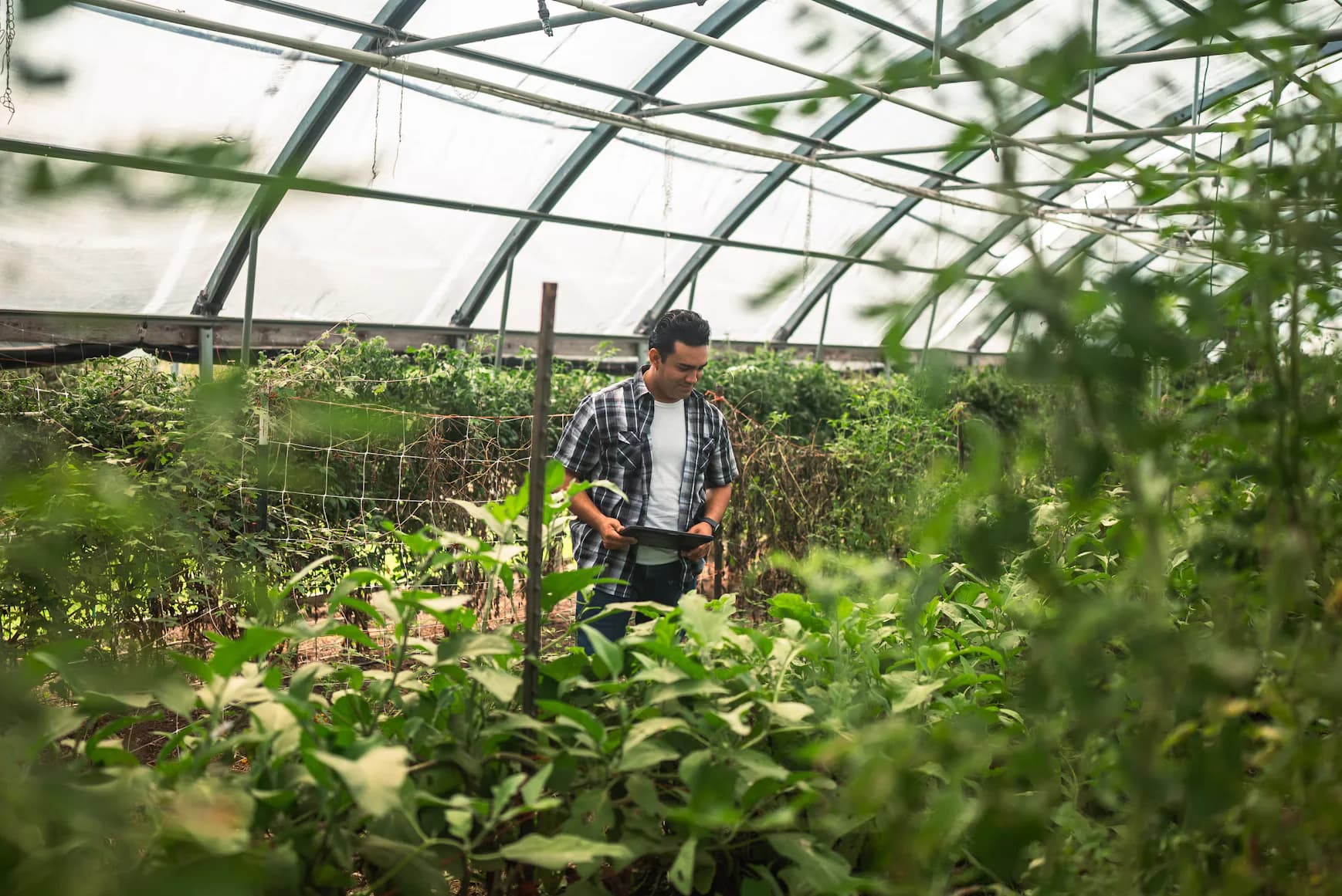
A Measurable Biological Response
soluble in all Ph ranges
Integrate the product into your fertigation or approved foliar program according to the crop and label.
AA Assimilation
The technology interacts with amino acids supporting their availability and movement toward the plant.
A Measurable Biological Response
Research indicates that root signaling begins early, followed by a coordinated response extending into the canopy
Organic Carbon
Track the metrics that matter to your operation: nutrient efficiency, plant vigor, marketable yield, fruit size, firmness, Brix, and post-harvest performance.

Support & Details
Frequently Asked Questions
Fitoful is a plant-derived agronomic technology designed to improve nutrient efficiency and support plant biological performance. It works alongside existing fertility programs, helping nutrients remain available and move more effectively toward the crop.
No. It is designed to complement your fertilizer program—not replace it. The goal is to help the crop make better use of the nutrients already being applied.
It can be applied through fertigation or approved foliar applications. Soil application rates depend on crop type, production cycle, and soil fertility. For soil application, the technical recommendation is approximately 5.4–7.1 lb/acre for short-cycle crops and 10.7–12.5 lb/acre for long-cycle crops. Applications can be divided across the fertility program rather than applied all at once.
The technology has been evaluated across multiple crop types, including strawberries, tomatoes, pears, cherries, olives, berries, fruit trees, vegetables, and other commercial crops. The appropriate program depends on the crop, production system, fertility strategy, and target outcome.
The technical material describes the product as highly soluble across a wide pH range. Its purpose is to support nutrient availability in the root-zone environment, including challenging soil conditions. As with any agronomic program, field conditions and soil analysis should be considered when developing the application strategy.
The available research indicates that the product is compatible with beneficial microbial communities. However, we do not recommend presenting this as a universal biological claim without crop- and soil-specific validation
It is designed to be used with water-soluble and liquid fertilizers in fertigation. The technical documentation specifically identifies incompatibility with granular fertilizers and physical mixtures. For any tank mix, perform a compatibility test before commercial application and follow the applicable label and technical recommendations.
Compatibility depends on the specific product and formulation. A jar test is recommended before tank mixing, particularly with products that have strong chemical reactivity. Consult your agronomic advisor when developing a tank-mix program.
The technology is designed for commercial agricultural production and is particularly relevant to high-value crops where nutrient efficiency, stress resilience, yield, fruit quality, and post-harvest performance have a direct economic impact. For California operations, application should always follow the applicable product registration, label, crop use, and regulatory requirements.
A controlled tomato RNA-seq study found 56 statistically significant gene-expression changes following application, with the strongest response occurring in leaf tissue at 72 hours. The pattern included biological pathways associated with plant signaling among other key benefits.
The research indicates activation of plant stress-response signaling, and the agronomic positioning is to support plant resilience during challenging environmental conditions. Field performance should be evaluated against an untreated comparison under the specific conditions of your farm.